Marketing A Second Game In 2026 And Carrying The Audience Forward

Marketing a second game presents a different challenge from launching the first. The studio is no longer introducing itself to an entirely unfamiliar audience. It already has a history, a community, and a group of players who have experienced its work. The challenge is to turn that existing recognition into genuine interest in the next release.

In 2026, players encounter new games through social media, gaming communities, streaming platforms, creator recommendations, and digital storefronts. Attention is competitive, and familiarity alone is rarely enough to convince someone to try another title. Even players who enjoyed the first game need a compelling reason to return.

This makes the second game’s marketing campaign an exercise in continuity and renewal. The studio must preserve the connection established by the original release while showing that the next game offers something fresh, meaningful, and worth experiencing.

The objective is not simply to bring the same players back. It is to strengthen the relationship with existing fans, encourage them to become advocates for the new release, and introduce the next game to people who may have missed the first.

Before marketing a second game, developers need to understand who remains interested in their work and what originally attracted those players. Some may have connected with the first game’s gameplay. Others may remember its characters, atmosphere, story, or distinctive artistic direction. Some may have followed the development journey and developed an interest in the studio itself.

These differences matter because players do not automatically transfer their enthusiasm from one release to another. A sequel may appeal strongly to returning fans but struggle to attract newcomers if its marketing assumes too much prior knowledge.

Studios should therefore examine community discussions, player reviews, social engagement, and feedback from the original release. The aim is to identify which aspects of the first game created lasting interest and which expectations might influence the reception of the second. This understanding helps shape a more relevant campaign. Instead of communicating a generic message about an upcoming release, the studio can explain why the next game should matter to the people who already know its work.

At the same time, the marketing should remain accessible to new players. A second game should benefit from its history without requiring everyone to have experienced the first.

One of the biggest challenges in marketing a second game is balancing familiarity with novelty.

Returning players want to recognize the qualities they enjoyed previously, but they also expect a new release to justify their attention. Repeating the same promotional message or relying entirely on nostalgia can make the next game feel like a continuation without meaningful progress. The studio needs to communicate what remains familiar, what has evolved, and what makes the second game different.

For example, a developer might retain the distinctive atmosphere of its first game while introducing a new setting, expanded mechanics, or a different approach to storytelling. These changes provide a natural connection to the original experience while establishing an independent identity. The marketing message should make this relationship clear.

Instead of relying on broad claims such as bigger worlds or improved gameplay, developers should demonstrate the specific differences that make the new experience interesting. Gameplay footage, focused trailers, and developer commentary can help players understand what they will actually experience.

The goal is to make returning fans feel recognized without making the second game dependent on their nostalgia.

Carrying an audience forward begins before the second game’s official announcement.

The period between releases can determine whether players maintain a connection with the studio or gradually lose interest. If communication stops completely after the first game’s launch, the developer may need to rebuild attention from the beginning when the next project is revealed. Maintaining a community does not require constant announcements. It requires meaningful communication that keeps the relationship active without overwhelming players with promotional material.

Studios can revisit memorable moments from the first game, share relevant development insights, highlight fan creations, and acknowledge community discussions. When appropriate, they can also explain how lessons from the original release have influenced the next project. These activities help create a natural bridge between games.

However, the studio should avoid turning every interaction into a teaser for the upcoming release. Existing players are more likely to remain interested when communication offers genuine value rather than repeatedly asking them to anticipate something that has not yet been revealed.

A community that feels respected is more likely to pay attention when the second game becomes the focus.

The first game gives the studio an important marketing advantage: it provides an existing reference point for potential players.

Positive reviews, recognizable creative elements, community recommendations, and previous creator coverage can help establish credibility. Returning players may already understand the studio’s approach to gameplay or storytelling, reducing the effort required to explain its creative identity.

However, this advantage should be used carefully. Marketing should not assume that success with the first title guarantees interest in the next one.

Studios can connect the two releases by showing how their creative approach has evolved. They can highlight familiar design principles, explain improvements inspired by previous feedback, or demonstrate how the new game explores ideas introduced in the original. This creates a stronger narrative than simply announcing another project from the same developer.

The first game becomes evidence of the studio’s experience, while the second demonstrates what the team has learned and where it intends to go next.

In 2026, video content and gaming communities remain important ways for players to discover upcoming releases. For a second game, the challenge is to create content that serves both returning fans and people encountering the studio for the first time.

Short-form videos can introduce memorable gameplay moments, distinctive visuals, or new mechanics. They offer an accessible entry point for audiences who may have little knowledge of the original game. Longer videos, development diaries, and gameplay demonstrations can provide greater detail. These formats are especially useful when the second game introduces substantial changes that require explanation.

Content creators can also help connect the two audiences. Creators who covered the first game may already understand its appeal and have an established relationship with its community. Meanwhile, creators who specialize in the game’s genre can introduce the second release to new players.

The most effective approach is to provide each audience with a clear reason to pay attention. Returning fans should understand what has changed and why the new game is worth experiencing. New players should be able to understand its central appeal without needing to research the studio’s previous work.

Every piece of content should reinforce the second game’s identity rather than relying exclusively on recognition of the first.

An established audience can help a second game reach beyond the studio’s own marketing channels. Players who genuinely enjoyed the first release may recommend the next game, share announcements, discuss new gameplay footage, or introduce the studio to friends who have similar interests.

However, this kind of advocacy cannot be demanded. It develops when players feel that the new game is relevant to their interests and that the studio has continued to respect their relationship with its work. Giving the community something meaningful to discuss is more effective than repeatedly asking for shares or promotional support.

Developers can encourage conversation by revealing substantial gameplay details, answering relevant questions, sharing behind-the-scenes insights, and creating opportunities for players to experience the game through demos or playtests when available.

Recognizing fan contributions can also help strengthen community participation. The key is to make existing players feel included without treating them as an unpaid marketing team. Their enthusiasm should emerge from the experience itself and from their confidence in the developer.

When returning fans genuinely believe in the second game, their recommendations can help establish credibility among audiences who have never played the first.

After launch, players will compare the two games, discuss what has changed, and evaluate whether the studio has delivered on its promises. Their feedback will shape how the second game is received and influence their interest in the studio’s future projects.

Developers should pay attention to these responses and communicate clearly about important issues.

If players identify technical problems or express concerns about specific design choices, the studio should acknowledge the feedback and explain its response where appropriate. It should avoid making promises about fixes or features before those commitments are realistic.

Marketing claims must also remain consistent with the experience players actually receive.

A second release can strengthen the studio’s reputation when the team demonstrates that it has learned from the original game and remains attentive to its audience. Conversely, exaggerated promises or dismissive communication can weaken the trust established by the first release. Long-term audience development depends on this consistency.

Players do not need to agree with every creative decision, but they should be able to understand the studio’s direction and trust that its communication is honest.

Marketing a second game in 2026 is about more than repeating the strategy that worked for the first. It’s about understanding what connected with players and showing them what makes the next game worth their attention.

The first game gives you an established audience and a foundation of trust. The second needs to build on that while offering something new. From community engagement to creator partnerships and launch campaigns, every effort should give players a reason to stay interested and bring new audiences into the conversation.

At Game Marketing Genie, we help games find their audience and build marketing strategies that keep players engaged from one release to the next.

Planning your next game launch? Let’s build a strategy that carries your audience forward.

Read More
Game Marketing Genie October 16, 2026 0 Comments

Working with Streamers and YouTubers: A Practical Guide to Game Marketing

A creator can spend hours playing a game in front of a dedicated audience, but that attention does not automatically translate into wishlists, downloads, or sales. For game studios, the real challenge is finding creators whose audiences are likely to care about the game, then turning that interest into measurable results.

Game influencer marketing can help studios reach players through content they already enjoy watching, whether that means a detailed YouTube review, a live Twitch stream, or a short gameplay clip shared on social media. It can introduce an unfamiliar title to a relevant audience, demonstrate what makes a game worth playing, and give potential players a reason to explore it further.

However, creator campaigns require more than sending out game keys and hoping for coverage. Studios need to consider audience fit, content format, campaign timing, creator relationships, and measurement from the outset. This guide explains how to plan creator partnerships around your game’s goals, choose the right streamers and YouTubers, and evaluate campaign performance without relying on views alone.

Why creator marketing matters for game studios

Games are experiential products. A store description can explain a game’s mechanics, but watching someone play can communicate its pacing, difficulty, humour, atmosphere, and appeal much more effectively. Creators offer a way for prospective players to see those qualities in action. Their content can also help audiences understand whether a game suits their preferences before they decide to try or buy it.

For studios, creator marketing can support several objectives:

  • Awareness: Introduce a game to players who may not have encountered it through traditional advertising or platform discovery.
  • Consideration: Demonstrate gameplay, mechanics, progression systems, and other features that help audiences assess whether the game interests them.
  • Community growth: Bring new players into a game’s Discord server, social channels, or other community spaces.
  • Wishlist generation: Encourage interested players to visit the store page and save an unreleased game for later.
  • Launch sales and downloads: Reach audiences when the game is available to purchase or download.
  • Long-term engagement: Renew interest around major updates, expansions, seasonal events, and new content.

These objectives are connected, but they are not interchangeable. A creator campaign designed to introduce an unreleased indie game to a new audience should not necessarily be evaluated in the same way as a sponsored stream intended to drive purchases during launch week.

Before approaching creators, decide what the campaign needs to achieve. That decision should guide the creators you shortlist, the content you commission, and the metrics you track.

Different creator formats offer different ways to present a game. The right choice depends on its genre, the stage of development, the audience you want to reach, and the action you want viewers to take.

Livestreams allow viewers to watch gameplay unfold in real time. They can see how a game responds to player decisions, how challenging its systems are, and how entertaining it can be over an extended session.

Streams may be particularly useful for games built around emergent gameplay, multiplayer interactions, difficult encounters, or unpredictable player experiences. A creator who enjoys experimenting with game mechanics can reveal moments that a polished trailer might not communicate.

Live chat also gives viewers a chance to ask questions and react to what they see. For studios, this can provide qualitative insight into how audiences respond to particular mechanics or features.

However, a long stream is not automatically valuable. If a game’s most compelling features take hours to reach, or if the creator’s audience has little interest in its genre, viewers may leave before encountering the content that makes the game distinctive.

When planning a livestream partnership, consider the stream’s duration, the intended gameplay segment, the timing of the broadcast, and whether viewers will have a clear route to the game page.

YouTube videos can provide a more structured presentation of a game. Depending on the creator’s format, the content might include a first-look video, a review, a gameplay walkthrough, a feature breakdown, or a comparison with other games in the genre.

This format is useful when players need more information before deciding whether to try a title. A strategy game, for example, may benefit from a creator explaining its systems, while a narrative adventure may be better suited to a spoiler-conscious introduction that highlights its atmosphere and storytelling.

YouTube content can also continue attracting viewers after its initial publication. Searchable videos may be discovered weeks or months later, although their longevity depends on audience interest, relevance, and how the video performs.

Studios should distinguish between an independent review and sponsored content. If a creator is being paid to produce promotional material, the arrangement should be transparent, and the studio should not assume that sponsorship guarantees a favourable opinion.

Short-form video can introduce a game through a striking visual, a surprising mechanic, a funny interaction, or a memorable gameplay moment.

This format can work well for games with easily understood hooks. A single clip might show an unexpected physics interaction, a dramatic boss encounter, a creative building system, or a multiplayer moment that viewers immediately understand.

The limitation is context. A clip can generate attention without communicating what the game actually involves or why someone should play it.

Short-form content is therefore often most useful as part of a broader campaign, with a clear route to a trailer, store page, demo, or longer gameplay video.

A creator with a large following is not necessarily the best partner for your campaign. What matters is whether their audience is likely to be interested in your game and whether the creator can present it in a way that makes sense for their channel.

Start by defining the player you want to reach. Consider genre preferences, platform, typical play habits, geographic markets, and the kinds of content these players already watch. Then use those characteristics to build a shortlist.

Follower and subscriber numbers provide a useful indication of a creator’s reach, but they reveal little about how relevant that reach is to your game.

Review several recent videos or streams rather than judging a channel by its most successful upload. Look at typical view counts, the quality of comments, audience participation, and how consistently the creator covers relevant games.

A smaller creator who regularly reaches an engaged audience of strategy game enthusiasts may be a better fit for a niche strategy title than a general gaming personality whose viewers have little interest in the genre.

Useful evaluation criteria include:

  • Does the creator regularly cover games similar to yours?
  • Are their viewers likely to enjoy your game’s mechanics, style, and difficulty?
  • Do viewers discuss the gameplay, ask questions, and respond to recommendations?
  • Can the creator present your game naturally within their usual format?
  • Do viewers come from the markets that matter to your release?
  • Does the creator communicate clearly and deliver agreed content on time?
  • Is the creator’s content and community appropriate for your game and its positioning?

Engagement rates can provide additional context, but they should not be treated as a universal measure of campaign quality. A channel with a smaller, highly specialised audience may serve a different purpose from one built around broad entertainment.

Look at how potential partners have handled previous games in your genre. Did they explain the mechanics, explore the game’s strengths, or focus primarily on humour and reactions? Did viewers ask where to find the game? Did the creator return to it after the initial video?

These observations help you understand whether the creator’s style suits your objectives. They can also reveal useful content opportunities. If viewers repeatedly ask about multiplayer functionality, difficulty, progression, or replayability, those topics may be worth highlighting in your campaign brief.

Create a simple evaluation sheet that records each creator’s channel, audience fit, typical performance, content format, estimated fee, availability, and previous experience with similar games.

This makes comparisons more objective and helps teams explain why particular creators were selected.

For larger campaigns, consider separating creators into groups:

  • Specialist creators who cover a particular genre or game type.
  • Mid-sized creators who offer a balance of reach, relevance, and campaign flexibility.
  • Large-reach creators who can support broader awareness or a major launch moment.
  • Emerging creators who may offer access to highly engaged niche communities.

These categories are not universal definitions based on subscriber counts. They are practical ways to organise a shortlist according to campaign needs.

The timing of a creator campaign influences both the content available and the actions viewers can take.

A creator who discovers your game several months before launch can help build early awareness. A sponsored video published on release day serves a different purpose, while an update-focused stream can reintroduce a game to audiences who missed it initially.

The campaign should reflect the stage your game has reached.

Pre-launch creator campaigns can introduce a game while there is still time to build an audience around it.

Depending on the game’s development stage, creators might receive access to a demo, participate in a preview session, or produce content based on approved gameplay footage.

The key is to give viewers a meaningful next step. For a Steam release, that might mean visiting the store page and wishlisting the game. For a game running a public playtest, it could mean signing up or downloading the available build.

Steam’s official wishlist documentation explains how wishlists help players keep track of games and receive notifications around release and discounts. Wishlists can therefore be a useful pre-launch indicator of interest, although they should not be treated as guaranteed future sales.

Launch campaigns benefit from coordination. If several creators publish content around the same period, audiences may encounter the game through different channels and formats.

That does not mean every creator should publish identical content on the same day. A mix of first impressions, gameplay demonstrations, and more detailed videos can give potential players different reasons to investigate the game.

Before launch, confirm that creators have the correct store links, release timing, approved information, and any relevant access instructions. Make sure the game’s store page clearly communicates its genre, features, platform availability, and purchase options.

A creator campaign can generate interest, but a confusing store page or unavailable demo can make it harder for that interest to translate into action.

Creator marketing should not necessarily end when the game launches.

Major updates, new game modes, downloadable content, seasonal events, and meaningful improvements can all provide reasons to revisit creator partnerships. Post-launch campaigns can also reach players who were unaware of the original release or who wanted to see more gameplay before making a decision.

For live-service games, recurring creator relationships may be particularly relevant when updates create new experiences worth demonstrating. For single-player games, a new expansion, substantial update, or promotional event may provide a more appropriate opportunity.

The objective is not to keep paying for coverage indefinitely. It is to identify moments when creator content has a clear reason to exist and a relevant audience to reach.

There is no single creator marketing budget that works for every game. Costs vary according to audience size, platform, production requirements, creator demand, exclusivity, usage rights, and the number of deliverables.

A studio should begin by identifying what it needs the campaign to achieve and how much it can reasonably invest in reaching that objective.

The quoted creator fee may not represent the total campaign cost. Depending on the agreement, the budget may also need to cover:

  • Agency or campaign management fees.
  • Additional content deliverables or platform adaptations.
  • Paid media to distribute creator content.
  • Licensing fees for reposting or using content in advertisements.
  • Travel, production, or specialist equipment where required.
  • Tracking, reporting, and campaign analysis.

Clarifying these costs early makes it easier to compare proposals on a like-for-like basis.

A lower fee does not automatically make a collaboration more cost-effective, just as a higher fee does not guarantee better results.

Consider the creator’s audience fit, expected reach, content quality, previous performance, and the value of the deliverables. Where reliable historical data is available, use it to develop realistic expectations rather than assuming that a creator will reproduce the performance of a previous campaign.

Studios should also consider the role of each creator in the wider plan. One partnership may generate broad awareness, while another reaches a smaller but highly relevant audience.

For studios new to creator marketing, a focused pilot can help establish which creators and formats are worth investing in further.

Rather than distributing a limited budget across too many channels at once, select a small group of relevant creators, define the desired outcomes, and track the results consistently.

Use the findings to refine the next round of outreach. A pilot is most useful when it produces insights that can inform future decisions, not simply when one creator achieves a high view count.

Where the data supports it, studios can calculate metrics such as cost per store visit, cost per wishlist, or cost per purchase. For example, if a campaign costs $2,000 and generates 400 attributable wishlist additions, the observed cost per attributed wishlist is $5.

That figure can help compare campaigns, but it should not be interpreted as a universal benchmark. The value of a wishlist depends on the game, the audience, the timing, and whether those players eventually purchase it.

Likewise, a campaign with fewer attributable conversions may still contribute useful awareness or reach audiences that other channels struggle to access.

The important question is whether the results justify the investment in the context of the game’s objectives and overall marketing strategy.

Even a well-funded creator campaign can underperform when its strategy, execution, or expectations are poorly aligned.

Choosing creators solely by follower count. Large audiences are not useful if the game does not appeal to them. Prioritise audience relevance and content fit.

Sending keys without a clear reason to cover the game. Creators receive many pitches. Explain what makes your game interesting to their audience and why it fits their content.

Expecting every creator to drive immediate sales. Some collaborations are better suited to discovery, consideration, or community growth. Set expectations according to the campaign objective.

Providing an overly restrictive brief. Excessive scripting can make content feel unnatural. Define the essentials while respecting the creator’s style and editorial independence.

Ignoring the store-page experience. A campaign may generate attention, but unclear messaging, weak screenshots, or a missing call to action can make it harder for viewers to take the next step.

Failing to coordinate timing. Content published before the game is available, without an accessible demo or a clear next step, may lose some of its commercial value.

Measuring only immediate results. Some audiences need multiple interactions before they act. Review the available data over an appropriate period while recognising the limits of attribution.

Treating creator marketing as a one-off activity. A campaign can generate lessons about audience preferences, effective messaging, and content formats. Use those insights to improve future activity.

Overlooking sponsorship disclosures. Paid partnerships should be disclosed appropriately. For example, Twitch provides a branded content disclosure tool for creators running qualifying sponsored content. Studios and creators should also check the rules and legal requirements applicable to their other platforms and markets.

Some studios can manage creator outreach and partnerships internally, particularly when the campaign is small and the team already has relevant relationships. An in-house approach can provide direct control over communication, creative direction, and budgets. It may also be practical for studios that work with a limited number of creators or already have established community relationships.

However, creator campaigns can involve substantial coordination. Teams may need to research hundreds of channels, assess audience relevance, negotiate rates, manage contracts and access, distribute assets, track deliverables, and consolidate performance data. These tasks can become difficult to manage alongside development, community management, paid advertising, and launch planning.

A specialist game marketing agency can help with creator identification, campaign strategy, outreach, coordination, and reporting. It can also help studios connect creator activity with other marketing efforts, including store-page optimization, community building, and launch campaigns. The right approach depends on the studio’s internal capacity, the scale of the campaign, and the expertise it already has.

Before choosing an agency, clarify the scope of work, reporting expectations, creator selection process, fees, and ownership or usage rights for commissioned content. A clear agreement makes it easier to evaluate the value of external support.

Working with streamers and YouTubers is not simply about getting a game in front of the largest possible audience. It is about finding creators who can introduce the game to relevant players, communicate its appeal, and encourage actions that support the studio’s goals.

That requires a clear campaign objective, thoughtful creator selection, realistic expectations, and a measurement approach that goes beyond surface-level engagement. Start with a manageable shortlist, give creators a clear brief, and make it easy for interested viewers to discover the game. Track the results you can measure, acknowledge the limits of attribution, and use what you learn to improve future campaigns.

Whether you’re launching a new game, rolling out a major update, or reaching new player communities, Game Marketing Genie can help you build a creator marketing strategy aligned with your audience and growth goals.

Read More
Game Marketing Genie October 16, 2026 0 Comments

Short-Form Video Marketing for Games and What Converts

Short-form video marketing for games has a reputation problem. Big success stories, like a single clip generating 20,000 wishlists get lots of attention, while the many videos that perform poorly rarely get mentioned. Studios and publishers need a more realistic view of what TikTok, YouTube Shorts, and Reels can achieve, why results vary, and how to turn views into wishlists.

The evidence comes from developer case studies, industry benchmarks, and platform documentation. Since much of it is self-reported and focuses on successful campaigns, the numbers should be treated as rough planning ranges, not guarantees.

Short-Form Video Marketing for Games in 2026

Reported cases from developers and agencies cluster in a narrow range. Calculated from the figures each source gives:

  • A visual novel developer gained over 2,900 wishlists from a video that passed 571,000 views, roughly five wishlists per 1,000 views.
  • The horror title R.E.P.O. converted around 3.1 million short-form views into roughly 20,000 additional wishlists, about 6.5 per 1,000 views. Fallen Aces earned around 25,600 wishlists from approximately 6.5 million views, about four per 1,000. Both figures come from an agency’s marketing blog, so they carry a promotional slant.
  • For comparison, Chris Zukowski’s 2026 analysis of viral tweets found a median of roughly seven wishlists per 1,000 views, from a small sample of eight developers.

The pattern across platforms is single digits per thousand views. A video with 100,000 views is therefore more likely to produce hundreds of wishlists than thousands, and that assumes the clip reaches the right audience. Reaching 1,000 or more takes a hit, and hits are rare.

Concept legibility drives it: Short-form suits games that are funny, visual, high-concept, or co-op, where the concept is instantly legible. Practitioner guidance points the same way, favoring a clippable mechanic and consistent posting. A game that needs 30 seconds of setup to make sense will lose viewers before the hook lands.

The channel is high variance: One field guide places TikTok in the high variance, potentially high reward category: when it works, it works well, and most of the time it does not. Expert opinion differs on how often it works. In 2022, Zukowski wrote that a viral TikTok had been generating wishlists usually in the 1,000 to 2,000 range. A later interview account of his research says he traced viral social moments back to developers and found the wishlists produced were usually around twenty. Both can hold. The difference is how well a viral moment routes viewers to the Steam page, and how closely the audience matches the game.

Short-form video should not be expected to lift Steam’s ranking directly. Valve’s documentation is explicit that store page traffic is not a visibility input. External marketing buys Steam visibility only indirectly, through the customer response that Steam then rewards.

Its value is therefore the wishlists and audience it builds. Those produce launch notifications, stored demand, and eventually purchases and playtime, the signals Valve names as strong. Short-form is better understood as a top-of-funnel source than as an algorithm lever. The same guide notes that TikTok tends to create spikes of interest while other channels convert that interest into wishlists.

Guidance from several practitioners converges on a short list. High-performing short-form content often focuses on satisfying gameplay moments, unique mechanics, funny player interactions, developer insights, surprising features, and before-and-after development progress, with entertainment first and advertising second.

A developer whose game went from 400 to over 20,000 wishlists after one video shared specifics that still read as sound practice:

  • A recurring character as the face of the game, so content feels distinctive.
  • Short videos, with under 15 seconds preferred for more views, and a format built for TikTok, with more video and less text.
  • A fixed structure of hook, video, and call to action, posted at a commitment of one video per week.

That case dates from 2023, and platform behavior shifts, so the lessons are best treated as starting hypotheses to test.

Views convert only when the path to Steam is short. One playbook recommends a bio link to the Steam page, a soft call to action at the end of each video, and a pinned comment with the Steam link. Link rules differ by platform, and one comparison reports that Instagram Reels allows a link in the bio only, while TikTok and YouTube Shorts allow links in comments or descriptions. Platform rules change often, so each should be checked before a campaign starts.

The store page then has to finish the job. Even a strong clip fails if the capsule art looks unprofessional or the trailer opens with studio logos. Clips and store page need to promise the same game.

A recurring question is whether viral wishlists convert as well as others. Sources disagree. One vendor guide argues that wishlists from viral social posts, or wishlists older than 12 months, convert at less than 2 to 3%. Meanwhile, another report suggests that a typical game converts around 15% of wishlists to sales.

Source of wishlist and audience fit likely matter more than age. Viewers who watched a clip without understanding the genre are weaker prospects than those who engaged with the mechanic. Tracking each source separately settles the question for any single title.

Paid support for short-form deserves caution. One guide says TikTok ads are not worth it for most indie games. Zukowski reports that in his experience paid ads on Facebook, Reddit, or TikTok earn about one wishlist per dollar. Cheaper costs per wishlist appear in some blogs, but those figures are unverified. A reasonable approach is to boost only clips that have already proven themselves organically, then compare the cost per wishlist against the launch plan.

Measurement keeps the channel honest. Steam UTM links make it possible to track which channels drive wishlists. Using a separate link per platform, and ideally per campaign wave, shows which hooks and formats produce wishlists, not only views.

  • Steamworks updates visits hourly, but conversion data takes about four days. Judging a clip within hours understates it.
  • Weekly wishlist totals give context. Zukowski’s benchmark ranges for wishlists earned in a week run from 0 to 40 at the lowest tier up to 300 to 3,000 at the top. A campaign that moves a game up a tier is working, even without a breakout clip.
  • Compare wishlist-per-1,000-views across platforms to decide where to concentrate effort.
  1. Publish the Coming Soon page early. The common recommendation is 6 to 12 months before launch. Short-form needs somewhere to point from the first clip.
  2. Choose two or three clippable moments before filming, and test several hooks for each.
  3. Post on a consistent cadence on two platforms, with a distinct UTM link for each.
  4. Review results weekly. Double down on hooks that convert, and drop formats that gather views without wishlists.
  5. Build toward demo and festival moments, so short-form spikes land when conversion is strongest. A playable demo gives viewers something to act on beyond a wishlist.
  6. Keep short-form as one channel among several, alongside creators, community, and festivals.

The bottom line

Short-form video is most valuable for games with a strong, instantly understandable hook. For games that need more explanation, it is likely to be a weaker channel. In most cases, the evidence points to steady, incremental results rather than overnight success. The best approach is to test different hooks, track where wishlists come from, and treat viral hits as a bonus rather than the foundation of the strategy.

For studios preparing a Steam launch, our team at Game Marketing Genie can help build a short-form testing program, track wishlist attribution, and connect content with the wider launch plan. Contact us to see how we can help.

Read More

Steam Discovery Algorithm 2026 and How Studios Plan Launches

Steam is one of the main storefronts for PC games, but the Steam discovery algorithm and the surfaces around it changed noticeably in 2026. A June store refresh reworked the home page, a September update moved a major promotional section from hand-scheduled placements to personalized recommendations, and festival competition keeps growing. For studios and publishers, the practical question is which levers still move visibility and which ones are being overestimated. The sections below sort what Valve documents from what the industry only infers, then turn the 2026 changes into a launch plan.

What Valve says drives visibility

Steam does not run one algorithm. It runs several discovery surfaces side by side, and Valve’s Steamworks documentation names the inputs. Purchases and playtime are the strong signal, tags decide which shelves and similar-game lists a title can appear on, and supported languages influence who is shown the game.

The documentation also rules out several things studios commonly optimize for. Store page traffic, store page conversion rate, and wishlists outside the Popular Upcoming tab are not visibility inputs. Review scores matter less than many assume. As long as reviews stay at mixed or above (40% or higher), the score is not a factor in algorithmic visibility, but a game that falls below 40% is less likely to be featured.

The takeaway is that external marketing does not buy Steam visibility directly. It works only indirectly, through the customer response that Steam then rewards. Creator campaigns, festivals, and community work matter because they generate the purchases and playtime Steam reads as demand.

Tags carry more weight than most store page copy

The top 20 tags determine the tag pages and browse views a game can appear on, and the top 5 should paint a clear picture of the game, since those are also used to describe it. Steamworks requires at least five tags before launch. Tags also got attention from Valve this year. A May 2026 tag taxonomy overhaul added 17 tags, removed 28, and merged several. Any title tagged before that change is worth auditing against the current list.

The 2026 changes that matter

The June store refresh

The redesigned store home went live on June 4, 2026, after a beta that began April 1. The most consequential change for indie teams involves Popular Upcoming. The widget used to rotate through any game about to release that met a wishlist threshold relative to the other releases that week. It now shows only the most popular upcoming releases.

Historically, roughly 5,000 to 7,000 wishlists was typically enough to appear. While Valve has never published an official threshold, 2026 industry benchmarks show that a minimum baseline has moved closer to 8,000 wishlists for basic visibility features, while hitting front-page algorithmic shelves now realistically requires between 50,000 and 90,000 wishlists.

Other refresh changes shape how players find upcoming games. A personal calendar now shows new and upcoming games from the next two weeks, recommended from each user’s play history. The Discovery Queue was rebuilt into a faster, overlay-style flow, and hover trailers became the most visible new feature. The practical implication is that the capsule and the opening seconds of the trailer now work harder, since many shoppers will see only a short preview before deciding whether to click.

On the post-launch side, Valve announced that Discounts & Events, previously made up of curated placements scheduled by partners or the Steam team, is moving to an algorithmic showcase. In testing, the model showed 10x more games to customers in a given day in that section, and Valve reported meaningful increases in store page visits, wishlists, and cart additions. Valve describes the goal as showing the right game to the right customer.

Trade press analysis points to a limitation. Collaborative filtering needs behavioral data, so a game with no purchases, wishlists, or engagement history gives the system little to work with. That makes pre-launch audience building more valuable, since early activity becomes the data that later recommendations draw on.

Wishlists remain useful, just in a narrower way than often claimed. They are not a general ranking input, but they function as stored demand. They drive launch notifications by email and push, and they hold audience for a year of discount campaigns. On conversion, a typical game converts around 15% of wishlists to sales.

For planning, three points hold up:

  • Wishlist counts remain a useful measure of owned demand, even though Valve does not use them as a ranking input.
  • The 7,000 wishlist rule of thumb predates the June refresh, which may push the effective threshold higher. Plans built on a single number carry risk.
  • Purchases and playtime are what Valve names as the strong signal, so the first weeks after release matter more than the pre-launch count alone.

Steam Next Fest in 2026

Next Fest remains one of the most reliable wishlist drivers, and it is also crowded. The October 2026 edition runs from October 19 at 10 AM PDT to October 26. Registration closed August 31, a demo must be live before the fest begins, and a title can take part in only one Next Fest. The 2026 editions ran February 23 to March 2, June 15 to 22, and October 19 to 26. For teams planning 2027 releases, Valve has not yet published dates beyond October 2026, though the festival has historically run three times a year.

What results look like: A gaming report estimates the median demo earns about 200 wishlists across 3,500+ entrants. At the top end, community tracking of the June 2026 edition found about 788 of roughly 4,931 entries crossed 2,000 wishlists, and the top 5% earned an estimated 7,000 to 10,000.

Momentum matters going in: An analysis of 3,000+ games across four Next Fests found that total wishlists and recent wishlist growth rate were the strongest predictors of success, which makes the fest a multiplier on existing momentum, not a replacement for it. Entry guidance varies. One guide recommends at least 2,000 wishlists, while another suggests at least 1,000 wishlists, 10+ organic wishlists per day, a stable demo, and a launch date within 12 months.

The store page works even for non-players: Per Zukowski’s research, 68 to 88% of Next Fest wishlists come from people who never downloaded the demo. Capsule, trailer, and tags do much of the converting.

A 2026 discovery plan by launch stage

Pre-launch

  • Audit tags against the post-May taxonomy and order the top 5 deliberately.
  • Publish the Coming Soon page 6 to 12 months before launch.
  • Open trailers with gameplay in the first five seconds, which suits the new hover previews.
  • Build audience in Discord and Reddit, and line up genre-matched creators ahead of the festival.
  • Treat Next Fest as the last festival before release.

Launch window

  • Concentrate marketing so purchases and playtime arrive together, since those are the signals Valve names.
  • Plan Update Visibility Rounds deliberately, as five are granted to start, each lasting up to 30 days or a million impressions.
  • Keep reviews healthy, since a fall below the 40% line reduces featuring chances.

Post-launch

  • Keep tags and store assets current, since Discounts & Events now draws on behavior and engagement.
  • Use sales and updates to keep generating playtime and purchases.

What to measure

Steamworks reports where a game is shown. The traffic data shows the features on each page where the game appeared, the impressions in each placement, and the clicks to the store page. Tracking this by placement shows which discovery surfaces are working and which are not, a sharper read than wishlist totals alone. Wishlist velocity, demo plays, Next Fest follower growth, and review trends complete the picture.

The bottom line

Steam’s 2026 direction is toward personalization. Visibility increasingly follows what players buy and play, rather than a fixed threshold or scheduled placement. Studios that build real audience demand early, keep metadata accurate, and time festivals and launch activity to concentrate that demand give Steam stronger signals to work with.

At Game Marketing Genie, we help studios and publishers turn those signals into a focused discovery plan covering store page readiness, festival timing, creator outreach, and launch-window targets.

Planning your Steam release? Contact us today to build your discovery plan.

Read More

Game Pre-Launch Checklist: Timelines by Game Type

A game’s launch outcome is largely set months before release day. What has to be ready, and when, depends on the business model. Indie PC titles live or die on wishlist momentum, mobile games on retention and unit economics, and live service games on infrastructure and content cadence. The timelines below reflect what industry data and practitioner benchmarks suggest, but they work best as starting points. Genre, budget, and platform rules will likely move the dates, so each checklist is worth adapting to the game in question.

  • 12 to 6 months out: Publish the Coming Soon page. A common recommendation is to open the page 6 to 12 months before launch, and Valve states that no minimum threshold is required for Steam to show a game. Early publication gives every trailer, post, and creator video somewhere to point.
  • 6 to 4 months out: Build the demand loop. Effective programs lead the trailer with gameplay in the first five seconds and end every clip and devlog with a wishlist prompt. Community participation should be genuine, not driven by promotion.
  • 3 months out: Lock the demo and festival plan. At this point the demo should be polished and a Next Fest slot planned. Analysis of 3,000+ games across four Next Fests found that total wishlists and recent wishlist growth were the strongest predictors of success, which makes the festival a multiplier on existing momentum, not a replacement for it. Next Fest runs three times a year and every game is eligible.
  • Final month: Creator and press outreach, launch-date lock, and launch-week content.
  • Roughly 7,000 wishlists is the commonly cited point where a game becomes likely, though not guaranteed, to appear on Steam’s Popular Upcoming list. One analysis suggests treating 5,000 as the floor for a commercially serious release.
  • A typical game converts around 15% of wishlists to sales.
  • Next Fest readiness thresholds vary by source. One guide recommends entering with at least 2,000 wishlists, while another suggests at least 1,000 wishlists, 10+ organic wishlists per day, a stable demo, and a launch date within 12 months.
  • Festival results are uneven. In February 2026, the median demo gained roughly 200 wishlists, while the top 5% gained around 7,000. Per Zukowski’s research, 68 to 88% of Next Fest wishlists come from people who never downloaded the demo.

Readiness checklist

  • Store page: Capsule art, sub-genre tags, short description, gameplay-first trailer
  • Wishlist tracking and a weekly reporting cadence
  • Demo stable and tested
  • Creator target list matched to genre
  • Press kit and platform disclosures (including AI content, where applicable) finalized
  • Launch date and Next Fest timing aligned
  • Alpha (tech and core loop): Soft launch works best in two stages: alpha for tech and core gameplay, then beta for progression, acquisition, and monetization. Teams should document their retention, monetization, and cost targets before testing begins. Setting targets after the results arrive is a common way soft launches go wrong, since the goalposts tend to move to fit the data.
  • Soft launch (beta): One to three markets should be chosen by fit to the question being tested, and at least 60 days should be budgeted for statistically meaningful D30 cohorts. One guide puts soft launch spend at $10K to $30K per month in low-CPI markets such as Canada, Australia, and New Zealand.
  • Decision gate: Proceed, iterate, or stop.
  • Global launch: The first 72 hours are critical for App Store and Google Play algorithmic ranking.

Retention targets for global launch are far less settled than most guides suggest. One guide recommends that a mid-core title reach D1 retention (players returning the day after install) above 35%, or above 40% for casual, with D7 retention above 15% and an LTV model validated by 30 days of monetization data.

A large dataset paints a different picture: median D1 sits near 22%, and top-quartile D7 lands at just 7% to 8%. Genre-level retention data has also not been broadly republished since 2022, so many current tables rely on older figures. The practical answer is to set genre-specific targets before the test starts and treat cross-industry numbers as reference points, not verdicts.

Readiness checklist

  • Documented success thresholds for retention (D1, D7, D30), ARPDAU, and LTV versus CPI, agreed before soft launch begins.
  • Analytics and attribution verified end to end
  • Real-device testing, since it exposes performance drops, crashes, and battery drain that emulators cannot simulate
  • Store listing (ASO) and creative variants prepared
  • Pre-registration campaign, where the platform supports it
  • Tier-1 market budget contingent on soft launch results
  • Alpha to beta: Alpha asks whether the game works, while beta asks whether it is ready, run with external testers and live telemetry.
  • Infrastructure lead time (6+ months out): Backend and hosting work needs early scheduling. Amazon GameLift’s guidance asks developers to submit a launch questionnaire at least three months before the first load test. Heroic Labs recommends more than one round of load testing before launch, and notes that provisioning add-ons and assigning engineers takes lead time. These are vendor-specific examples, but they illustrate the scheduling reality.
  • Closed beta: Performance and load testing peaks here, with real server traffic. Console certification and security also belong in the pre-launch phase.
  • Content roadmap: Practitioners advise planning the first three months of events, economy checkpoints, and A/B tests before launch, and flag launching with only a general roadmap as a common mistake.

Good marketing brings a large crowd of players at once, and the servers have to handle them. XDefiant passed one million players within about two and a half hours of launch. Its servers struggled with the rush, and it took roughly eight to ten hours to fix the problems. The lesson for live service teams is to estimate the launch-day crowd in advance and test the servers against it before release.

Readiness checklist

  • Multiple load-test rounds completed against projected peak concurrency
  • Certification and security reviews scheduled
  • 90-day content and event calendar approved
  • Economy monitoring and A/B testing framework in place
  • Community moderation and incident-communication plan ready
  • Support and status-page process defined

Shared checklist for every game type

  • Analytics and reporting set up before the first campaign
  • Brand assets, press kit, and platform disclosures finalized
  • Community channels (Discord, Reddit, social) staffed and briefed
  • Crisis and issue-response plan with a single approving owner
  • Localization scope decided
  • Launch-window review to avoid clashes with competing releases

Each model has a different bottleneck. Indie teams need demand signals early, mobile teams need proof of retention before spending at scale, and live service teams need infrastructure and content that survive contact with real players. Setting the gates in advance, in writing, is what keeps a launch from being decided by a deadline instead of by data.

Is your title on track against these benchmarks? Game Marketing Genie helps studios and publishers map pre-launch timelines, wishlist and retention targets, and go/no-go criteria for each release. Book a launch-readiness review to find out.

Read More
Game Marketing Genie September 30, 2026 0 Comments

AI Disclosure in Games: How Studios Can Build Player Trust

Players are paying close attention to how games are made. When a studio explains its use of AI clearly, players can weigh the decision on its merits. When a studio stays silent, players fill the gap themselves, and that conversation is harder to steer.

AI disclosure in games is now part of the go-to-market plan. This guide covers what players are telling the industry, how to respond, and what to say at each touchpoint, from your store page to your press kit.

Building trust in the age of AI

In a 2025 survey of 1,799 gamers, run from October to December, it was found that 85% held a negative attitude toward generative AI in video games, with 63% choosing the most negative option. The concern isn’t uniform, though. Gamers were most negative about AI used for artwork, music, sound, narrative, and dialogue, while attitudes were comparatively less negative for features like dynamic difficulty adjustment.

Developers are divided too. GDC’s 2026 State of the Game Industry survey, based on over 2,300 professionals, found that 36% use generative AI tools at work while 52% believe it is having a negative impact on the industry. Usage skews toward support tasks, and asset generation (19%) and player-facing features (5%) rank much lower.

The signal for studios: what AI does, and where players will see it, matters more than whether AI appears anywhere in the pipeline.

  1. Ethics and creator livelihoods: Research on creative industries describes generative AI as a threat to the livelihoods of artists, and many players and developers share that unease. Players often know the artists, writers, and voice actors behind the games they love. Studios that name their human creators and explain how AI fits around them speak directly to this concern.
  2. Training data and consent: A study of 508,192 Steam reviews found that players raised concerns about training data and stolen content. In Japan’s 2026 industry survey, gamers’ most frequently cited concerns were copyright infringement and games starting to look alike. If you use AI, knowing which tools you use and what you can say about their data sources is essential.
  3. Quality and sameness: The same review study found players worried about Steam being flooded with low-quality AI-generated games. Related research shows perception matters: in one study, content believed to be AI-made was rated as less fun and more frustrating than identical content believed to be human-made. Your messaging shapes how players experience your game.
  4. Trust: The review analysis also noted cases where developers failed to disclose AI use, or did so only after being caught. Players judge how a studio discloses as much as what it discloses.

The opportunity: AI done right

Players aren’t only critics. The review study found an “acceptance” theme, where players welcomed proportionate AI use in areas where it adds genuine value, and liked developers who used AI as a tool rather than a wholesale substitute for creative labor.

This is where good communication pays off. Studios that show their reasoning, their limits, and their human craft give players something to trust.

  • Set your position first. Document which tools your team uses, for what, and who approves it. You can’t communicate a policy that doesn’t exist.
  • Disclose early, in your own words. Share it on your terms, before players find it.
  • Be specific. “We use AI responsibly” says nothing. “We used AI-assisted tools for placeholder textures during prototyping; all final art is by our artists” says a lot.
  • Separate AI work from human work. Spell out which assets AI generated, which it assisted, and which people made entirely. Credit your artists, writers, and voice talent by name.
  • Answer the ethical questions directly. If you don’t know something about a tool’s training data, say so and commit to finding out.
  • Claim only what you can verify. “100% human-made” becomes a liability if one tool slips through. Keep production records that back up every claim.
  • Be ready to change course. If players object strongly to a specific asset, replacing it often builds more goodwill than any statement.

Communication about AI reaches players through many channels, and messaging that differs between them creates doubt. Here’s how to approach each one.

  • Store pages. Steam asks developers to disclose AI use in two categories: pre-generated content (art, code, sound and so on, created with AI tools during development) and live-generated content (created while the game is running), which also requires guardrails against illegal output. Valve says it includes much of that disclosure on the store page, and developers promise that the game will be consistent with its marketing materials. That makes your store page, trailer, and press messaging one connected story. The rules also continue to evolve. Developer tools like GitHub Copilot are exempt under a January 2026 rewrite, so the focus is on what players see and hear.
  • Social captions, trailers, and key art. These are often where players first notice AI, so review every public asset before it goes live. If AI assisted any of it, say so in plain language alongside the post, and make sure your Discord and Reddit moderators have approved talking points.
  • Press and PR kits. Add a short AI statement to your media kit and prepare a Q&A for interviews. Cover what was used, where, and what humans handled. Journalists ask this now, and a ready answer beats an improvised one.
  • In-game. Credits are a natural place to name human contributors and note AI-assisted elements. For live-generated features, tell players when they’re interacting with AI and explain the safeguards.
  • Creator and influencer briefs. Streamers get asked about AI on camera. Give them your statement, your asset breakdown, and a contact for questions so they never get blindsided.
  • Publisher and developer agreements. Publishers can spell out asset provenance documentation, disclosure responsibilities, and who approves public messaging. When platform and press questions arrive, one shared source of truth keeps every party consistent.

AI disclosure in games framework

Use this structure across store pages, dev blogs, and press materials:

  • What we used: the tool or category of tool.
  • Where we used it: specific assets or production stages.
  • Why we used it: the practical reason, such as prototyping speed or a small team.
  • What humans did: the creative work, review, and final polish people handled.
  • What we won’t do: the lines you’ve drawn.

Moreover, preparation keeps a small concern from becoming a crisis. Start by assigning one owner to approve every public statement, so your messaging stays consistent across channels. Draft a holding statement in advance that acknowledges the concern and commits to an update by a set time. When questions arrive, listen first and identify the specific objection before replying, because answering the wrong question only fuels the debate. If players share inaccurate claims, correct them calmly and with evidence. Finally, log every decision, so your answers stay accurate as the project evolves.

Track sentiment in community channels, the tone of press questions, store page review trends, and creator reactions after each disclosure. Together they show whether your communication is landing.

Takeaway

Player sentiment toward generative AI is strongly negative, especially for creative content, but the research also shows clear conditions under which players are open to it: proportionate use, human craft at the center, and honest explanation. Studios that plan their AI communication across every channel protect the trust their launch depends on.

Planning a release and unsure how to position your AI use? Contact us today and we will help you build a communication plan that fits your game.

Read More
Game Marketing Genie September 30, 2026 0 Comments

The Power of Programmatic Ads in Modern Game Marketing

In an era where attention is the new currency, brands aren’t just buying ad space, they’re bidding for moments of focus. With users exposed to thousands of impressions every day, traditional ad buying can no longer keep pace with the speed and precision needed to stand out.

That’s where programmatic advertising in marketing takes center stage. By combining automation, real-time data, and AI-driven optimization, programmatic lets brands reach the right person, at the right time, on the right platform without the manual guesswork and endless back-and-forth emails. This tech shift is not just efficient; it’s also changing how brands actually connect with their audiences.

In this guide, we’ll break down how programmatic advertising reshapes digital strategy, why it’s essential for brands competing in crowded markets, and how to make your campaigns work smarter in ways that weren’t possible just a few years ago.

Programmatic advertising is the automated process of buying and optimizing digital ad placements using real-time data and AI. Instead of relying on human negotiations, software platforms handle media buying instantly — auctioning impressions to the highest bidder based on how valuable that audience is in the blink of an eye.

At its core are three powerful mechanisms that work together seamlessly:

Real-time bidding (RTB): Each time an ad impression becomes available, advertisers compete in milliseconds to show their ad to the most relevant viewer. Think of it like a super-fast auction happening thousands of times per second, ensuring that every impression goes to the advertiser who values that specific user most.

Data-driven targeting: Using first-party and third-party data, advertisers can pinpoint audiences by interests, behaviors, device type, or even in-game actions. This granular approach transforms generic advertising into personalized experiences that actually resonate with individual users instead of shouting at everyone and hoping something sticks.

Dynamic optimization: Algorithms continually analyze which creatives, channels, and audiences perform best — automatically shifting budgets for maximum ROI. This self-correcting mechanism means campaigns keep improving on their own without needing constant manual tweaking.

The result? An always-on, self-improving system that’s faster, smarter, and more adaptive than traditional ad buys, capable of making thousands of optimizations per day that would take human teams months to implement manually.

(more…)

Read More
Game Marketing Genie September 24, 2026 0 Comments

AI in Game Development: Transforming the Future of Gaming

Explore how AI is transforming game development, enhancing player engagement, and reshaping the gaming industry.

Read More

Marketing vs. Advertising: What Game Developers Need to Know

When marketing and advertising align, they form a powerful strategy for game promotion. Explore the key approaches developers should consider for success.

Read More

The Mobile Advertising Market: Trends, Growth, and Future Outlook

Explore the latest trends and future outlook of the mobile advertising market.

Read More

Top Mobile Gaming Trends and Revenue Insights for 2025

Discover the top mobile gaming trends in 2025, including hybrid monetization, hybrid casual games, meta layers, and AI-driven development.

Read More

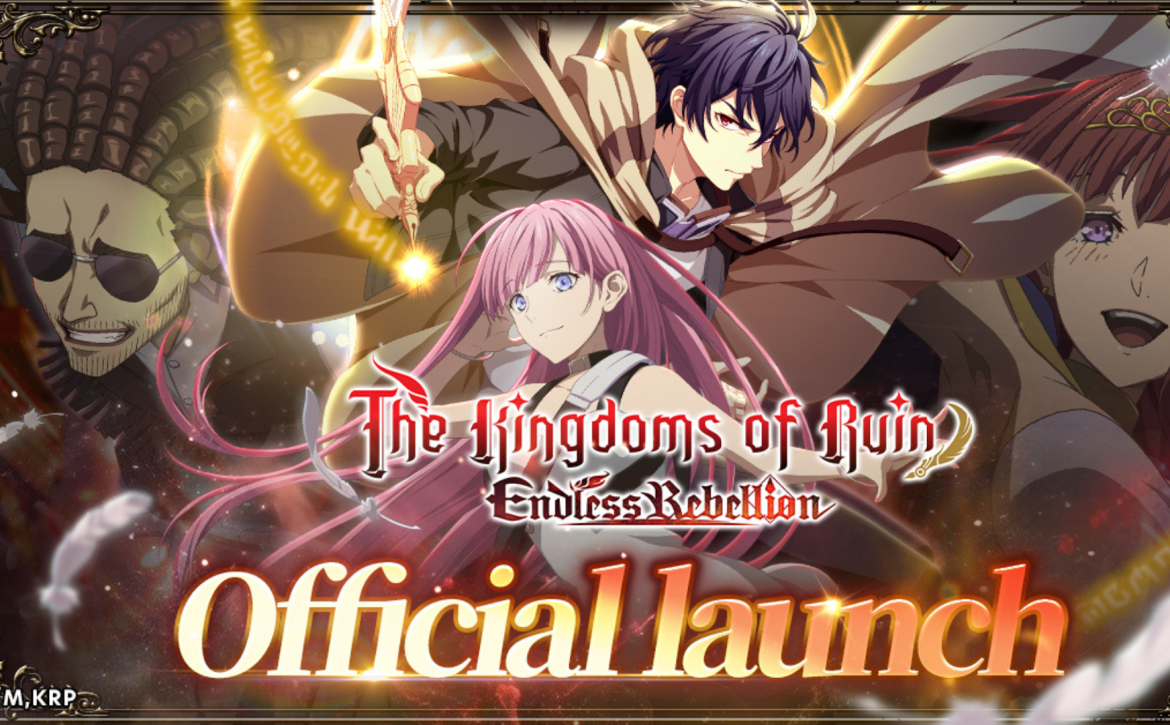
The Kingdoms of Ruin: Endless Rebellion Out Now!

CTW.inc announces the release of The Kingdoms of Ruin Endless Rebellion. Players to get
in-game goodies worth $300 on launch day.

Read More